Current condition
Record machine and abrasive-tooling identification, manufacturer information and the condition and purpose of existing guards, screens, covers and fixings. Identify the tasks and proposed changes covered by the review.
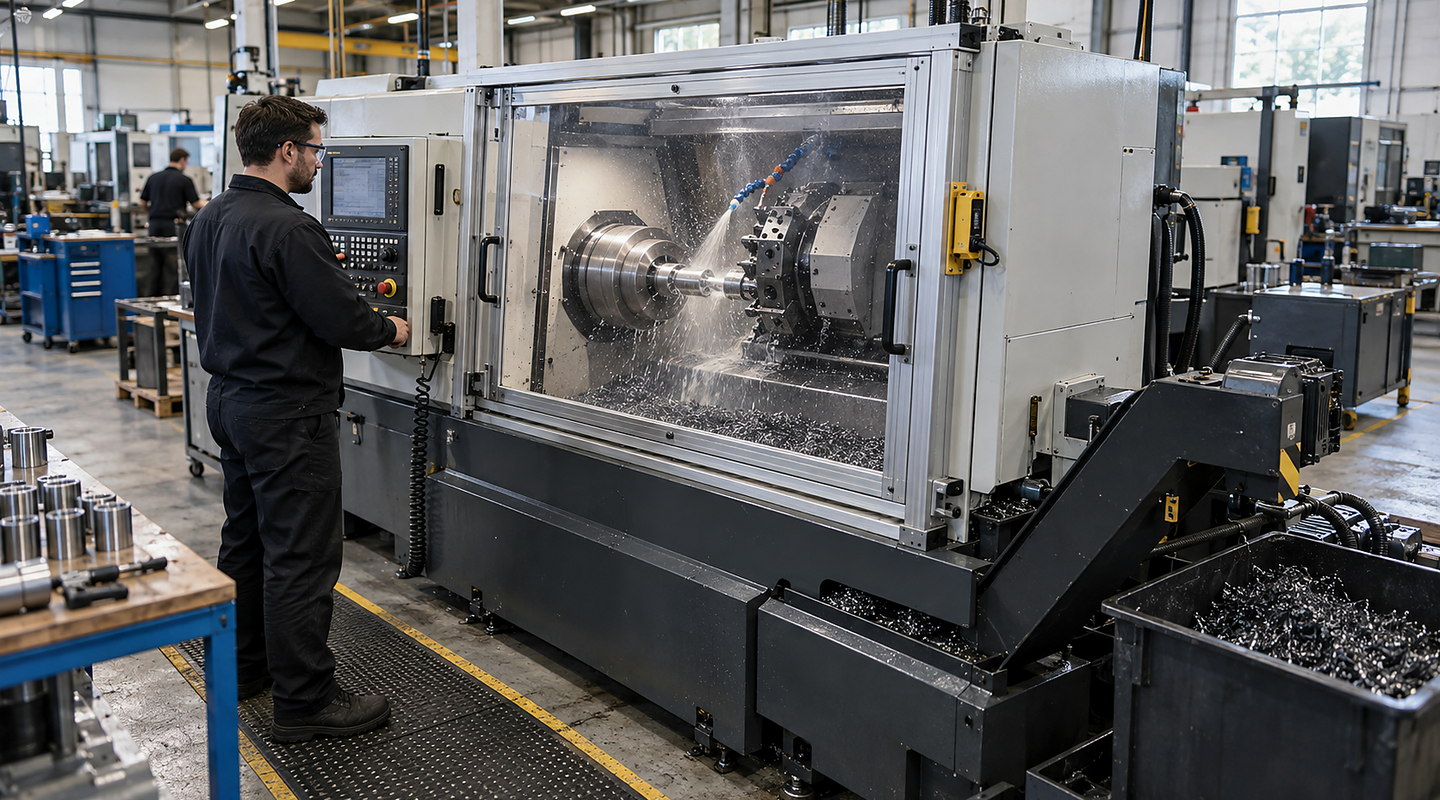
Agree grinding-machine guarding evidence for the machine, wheel and task range, protective purposes, installed condition, control changes, relevant tests and handover records.
Agree what will be assessed, inspected and, where relevant, tested or validated for the modified grinding machine. Identify the machine, abrasive tooling, tasks and separate protective purposes. Retain expected and observed results, unresolved issues, responsibility and updated operating information before the agreed return-to-use decision.
Connect the survey and installation sequence with the guard-purpose comparison. A photograph, a successful production run or the presence of a viewing screen is not complete evidence that the modified machine is safe.
Plan grinding machine guards around your machine hazards, operator tasks, access, stopping behaviour and validation evidence. Discuss a site-specific safeguarding concept with Oxford Machine Guarding. Use this guide to resolve risk-reduction and validation evidence before it limits the final system.
Discuss your application

Record machine and abrasive-tooling identification, manufacturer information and the condition and purpose of existing guards, screens, covers and fixings. Identify the tasks and proposed changes covered by the review.
Include the actual operating and workpiece range, awkward loading, adjustment, wheel changing, dressing, cleaning and foreseeable access. State which conditions or machine variants remain outside the agreed checks.
Record how the modification affects protective duties, access, visibility, mounting, isolation and control interfaces. Agree the relevant inspection, tests, validation and updated records with responsible personnel.
Identify the machine, abrasive tooling and operating range. Record the purpose and condition of wheel guards, screens, covers and fixings, together with access during the real grinding tasks.
Record relevant machine motion and stopping behaviour for the assessed operating modes. Have competent personnel determine what checks and any control measures are needed for the actual access arrangements.
Include loading, workpiece support, adjustment, wheel changing, dressing, cleaning and fault investigation. Agree task-specific isolation and access arrangements using the machine information.
Document existing control interfaces and the boundaries of any proposed changes. Agree responsibility for design, checks and validation rather than assuming an added guard establishes a safety function.
Record the workpiece range, viewing angles, task lighting, coolant, sparks, dust and nearby workstations. Assess material and mounting requirements for the specific protective purpose.
Agree the assessment, inspection and relevant safety-function checks needed for the modified machine. Keep expected and observed results, unresolved issues, responsible people and the handover records together.